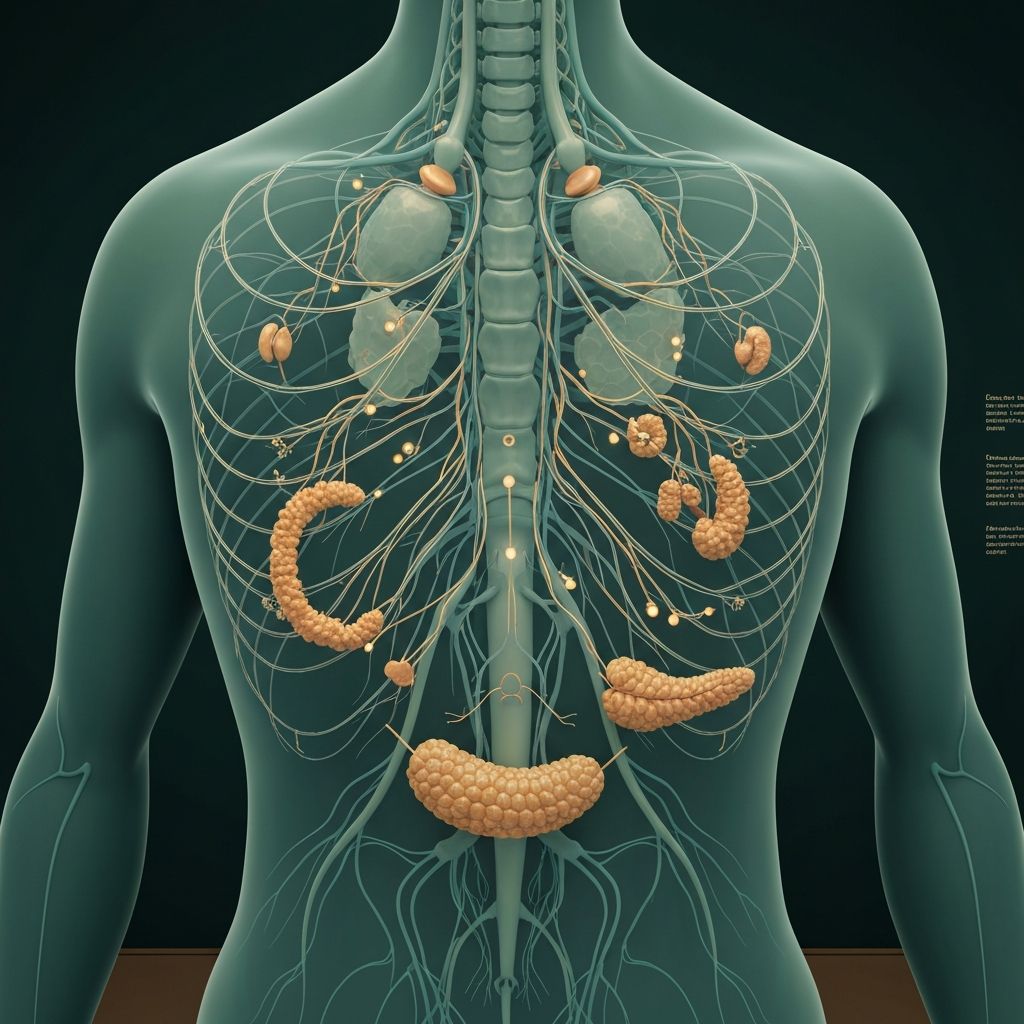
Understanding Hormonal Regulation
The endocrine system produces hormones that regulate numerous bodily processes, including appetite, energy expenditure, and nutrient storage. These hormonal signals influence how the body manages energy balance and weight. Hormones do not work in isolation; instead, they operate as an integrated system where multiple signals influence overall metabolic direction.
Insulin and Carbohydrate Metabolism
Insulin, produced by the pancreas, facilitates glucose uptake into cells and nutrient storage. When carbohydrates are consumed, blood glucose rises, triggering insulin release. Insulin sensitivity—how effectively cells respond to insulin—varies among individuals and is influenced by factors such as physical fitness, body composition, and dietary patterns. Understanding insulin's role helps explain metabolic differences without attributing them to personal failing.
Cortisol and Stress Response
Cortisol, the primary stress hormone, regulates glucose availability and inflammatory responses. Chronically elevated cortisol from sustained stress can influence fat distribution patterns, appetite regulation, and sleep quality—all factors that indirectly affect weight management. This illustrates how psychological and lifestyle factors integrate into physical health through hormonal mechanisms.
Appetite-Regulating Hormones
Ghrelin and leptin represent opposing signals in appetite regulation. Ghrelin, produced in the stomach, signals hunger, while leptin, produced in adipose tissue, signals satiety. Sleep deprivation elevates ghrelin and suppresses leptin, partially explaining why insufficient sleep often accompanies increased appetite. These hormonal mechanisms demonstrate how lifestyle factors influence eating patterns beyond conscious decision-making.
Metabolic Hormones
The thyroid produces hormones that regulate metabolic rate. Thyroid function varies among individuals due to genetics, micronutrient status, and body composition changes. Similarly, growth hormone and testosterone influence muscle maintenance and metabolic function. These hormones interact in complex ways, illustrating why simple interventions often produce varying results across different individuals.